
The road ahead

ELECTRIC

India’s two-wheeler future is already being written on city streets — quieter, cleaner, and more connected than ever.

2.3M+ EVs in 2025
30% Target by 2030
9%+ 2W monthly share
38% TCO vs petrol

What is changing

The next decade of electric mobility

From battery chemistry to city streets, four forces are reshaping how India moves.

Advanced EV battery technology
01
Technology

Batteries get denser, safer, local

LFP already dominates Indian two-wheelers for cost and thermal stability. Next come LMFP cells (10–15% more energy) and sodium-ion packs that use abundant domestic materials. Solid-state remains a post-2030 story for mass volume, but pilot programmes are already running.

Battery care guide
Urban electric mobility and charging
02
Infrastructure

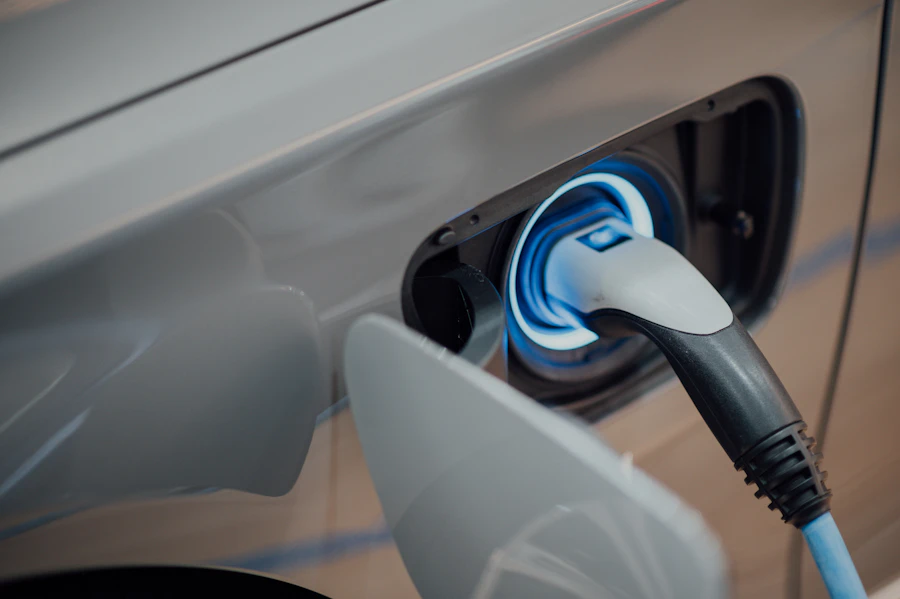
Charging moves from rare to routine

Public chargers are still sparse relative to 2030 targets, yet neighbourhood battery swap points and workplace charging are closing the gap for daily riders. Standardisation of connectors and payments will decide how seamless the experience becomes.

Find dealers & service
Electric scooter in Indian city traffic
03
Riders

Two-wheelers lead the real transition

Electric scooters already deliver roughly 38% of the total cost of ownership of a petrol equivalent. With most urban trips under 30 km, range anxiety is fading. The next leap is software, connected features and residual-value confidence.

Urban mobility story
Future of clean mobility planning
04
India

Policy meets local manufacturing

NITI Aayog’s EV30@30 ambition, PM E-DRIVE support and ACC PLI schemes are pushing domestic cell capacity. Localisation of packs, motors and BMS is accelerating; raw-material security remains the longer strategic challenge.

Our story at Hazra

Signals

What to watch next

Three developments that will shape ownership in the next few years.

Faster real-world range

LMFP and better thermal management are delivering usable range gains without jumping to solid-state. Expect clearer “real traffic” numbers from manufacturers.

Second-life & recycling

India’s first large wave of end-of-life EV batteries arrives around 2027–28. Recovery of lithium, cobalt and nickel becomes both an environmental and strategic priority.

Connected ownership

App-based diagnostics, predictive service alerts and integrated navigation that accounts for charge stops will become expected features, not premiums.

Ready for the electric everyday?

Explore the CHALO range, book a test ride, or find a dealer near you. The future is already on the road.

View models Locate dealers